The Bermuda Earthquake and Structure Test
Bermuda is a longstanding geologic mystery. Volcanic ocean islands (e.g., Hawaiʻi) are thought to form from large hot plumes arising from the bottom of Earth’s mantle. Bermuda is a volcano that hasn’t erupted in 30+ million years and sits atop a broad seafloor swell but lacks the telltale features of a mantle plume. Defying expectations of significant subsidence post eruption, it has remained remarkably stable, and its volcanic chemistry suggests an unusual volatile-rich source. These observations suggest Bermuda formed from a mantle process outside our current understanding of plate tectonics.
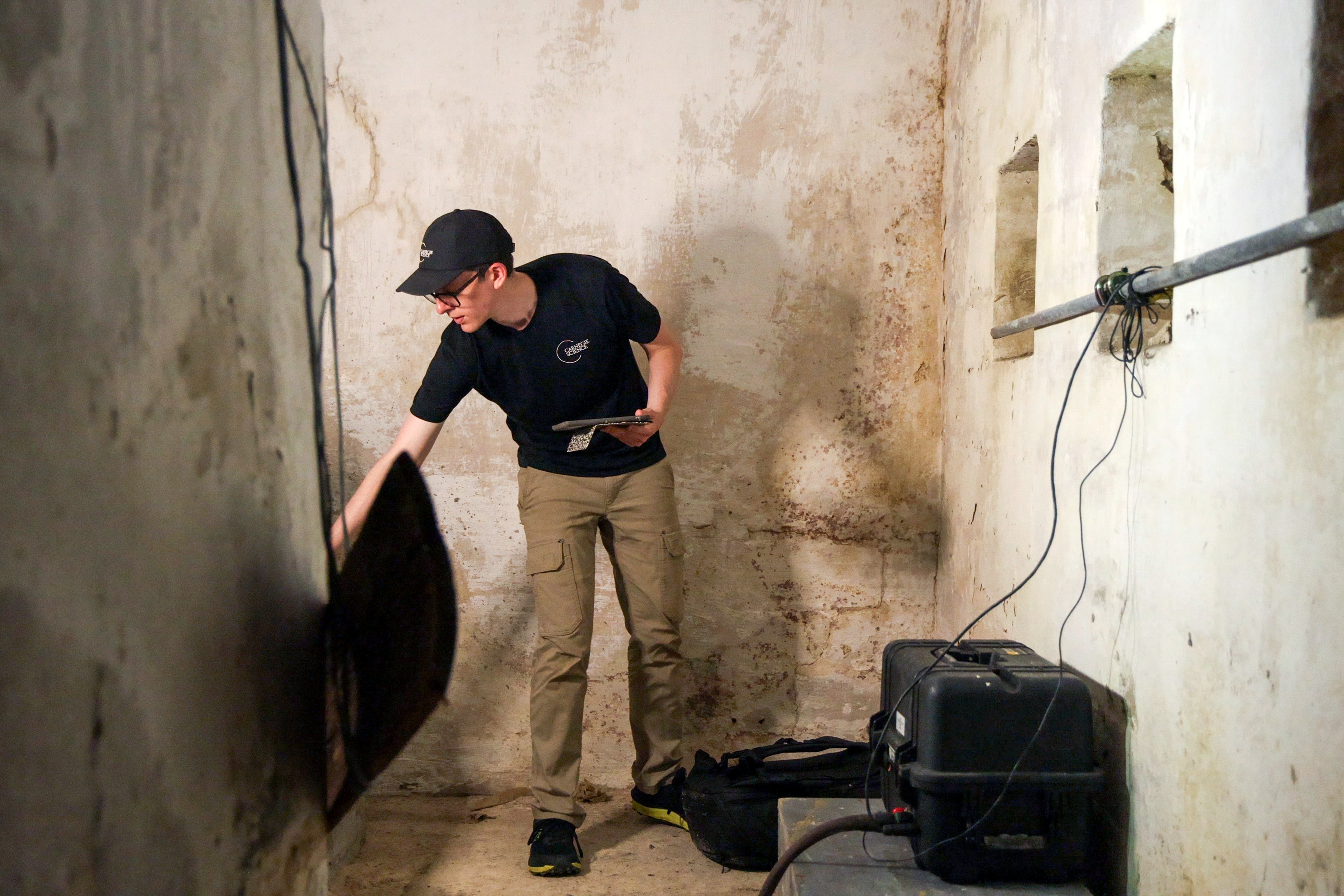
Using data from the lone permanent seismometer located on Bermuda, I discovered an anomalous 20-km-thick layer of underplating beneath the island which may support the broad swell. Further, the swell hosts previously-undocumented microseismicity, a sign of active deformation. To gain a detailed understanding these discoveries, I led a team of Carnegie seismologists to deploy 10 broadband seismometers across Bermuda in March 2026. This deployment is a collaboration between Carnegie Science, the government of Bermuda, and multiple Bermudan non-profits. The BEST Array is the first seismic experiment targeting Bermuda since 1950.
As part of this project, I gave a public Earth and Planets Laboratory Neighborhood Lecture which you can find here. More information about the project and my collaborators can be found here.